/ Molins & Hauni Systems

Rebuilt to manufacturer tolerances. Documented at every stage.

Each unit is fully stripped, diagnosed component by component, and reassembled against original factory specifications — not general industrial standards.
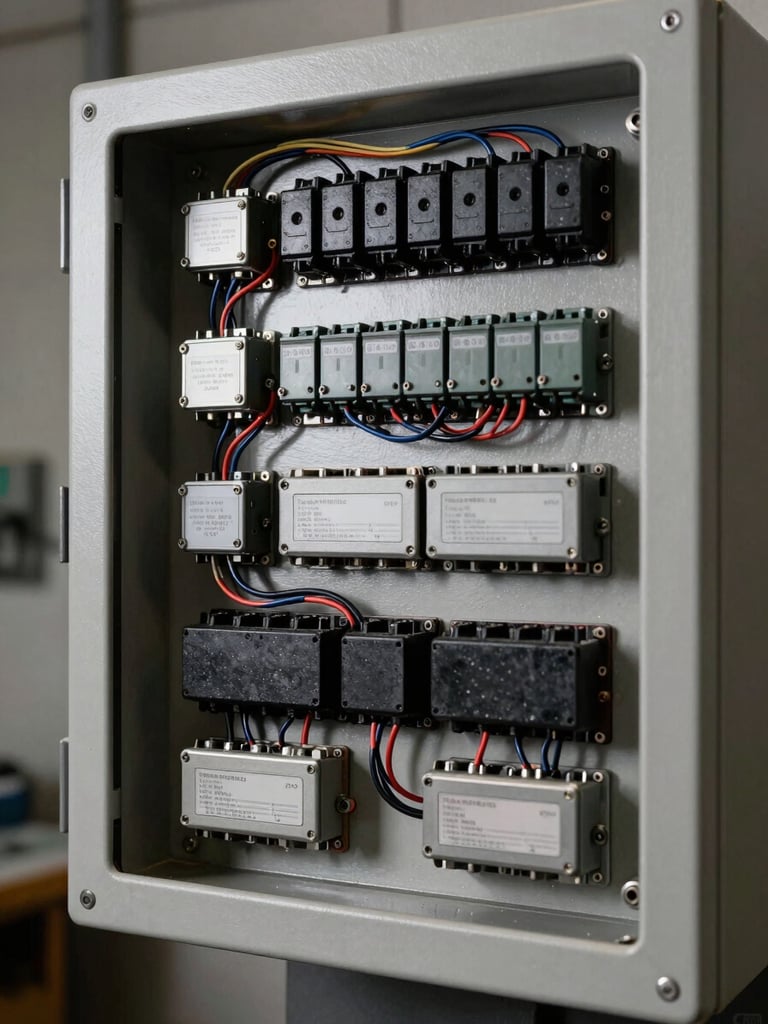
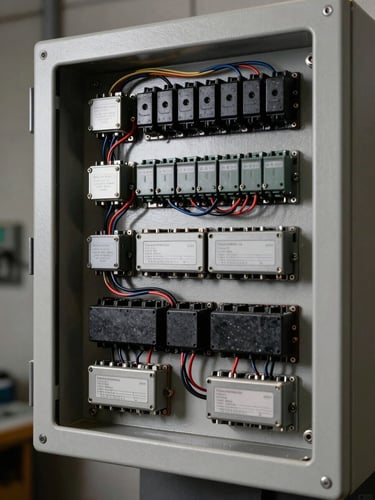
Extreme close-up of a Hauni machine control panel mid-disassembly, wiring looms and relay blocks exposed under cool strobe lighting, concrete workshop wall visible at the edge, high-contrast mechanical detail
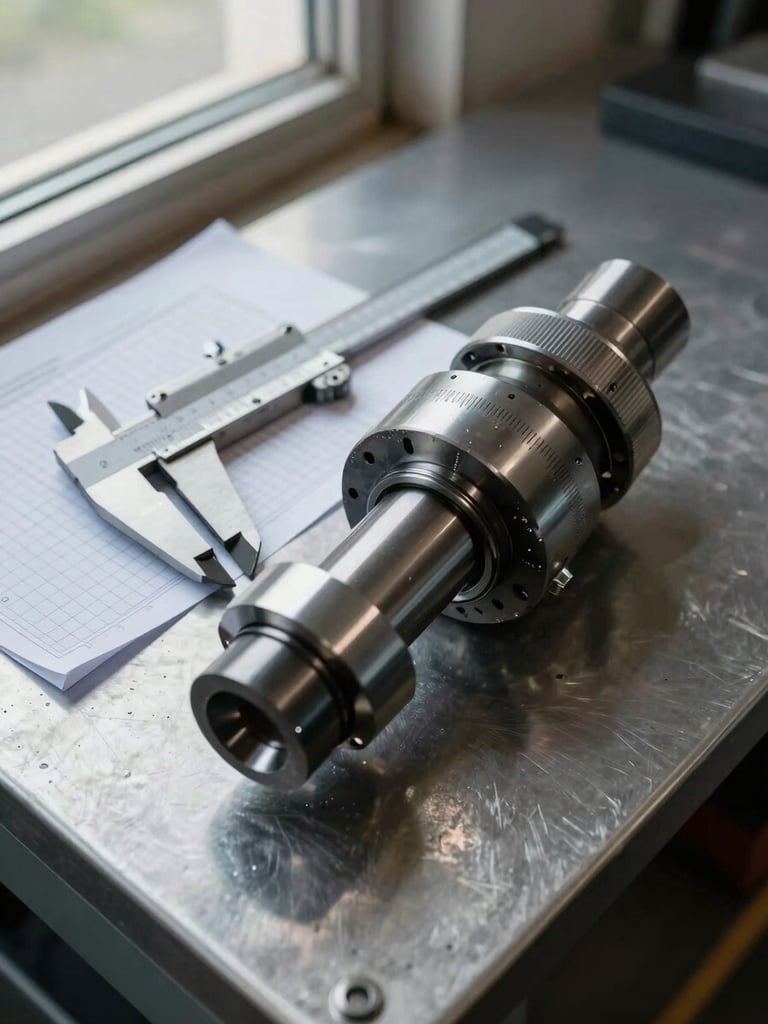
Overhead close-up of a mechanical assembly laid out on a steel inspection table — calipers resting on a worn cam follower, measurement data sheet partially visible beneath, cool north-facing daylight from a high workshop window
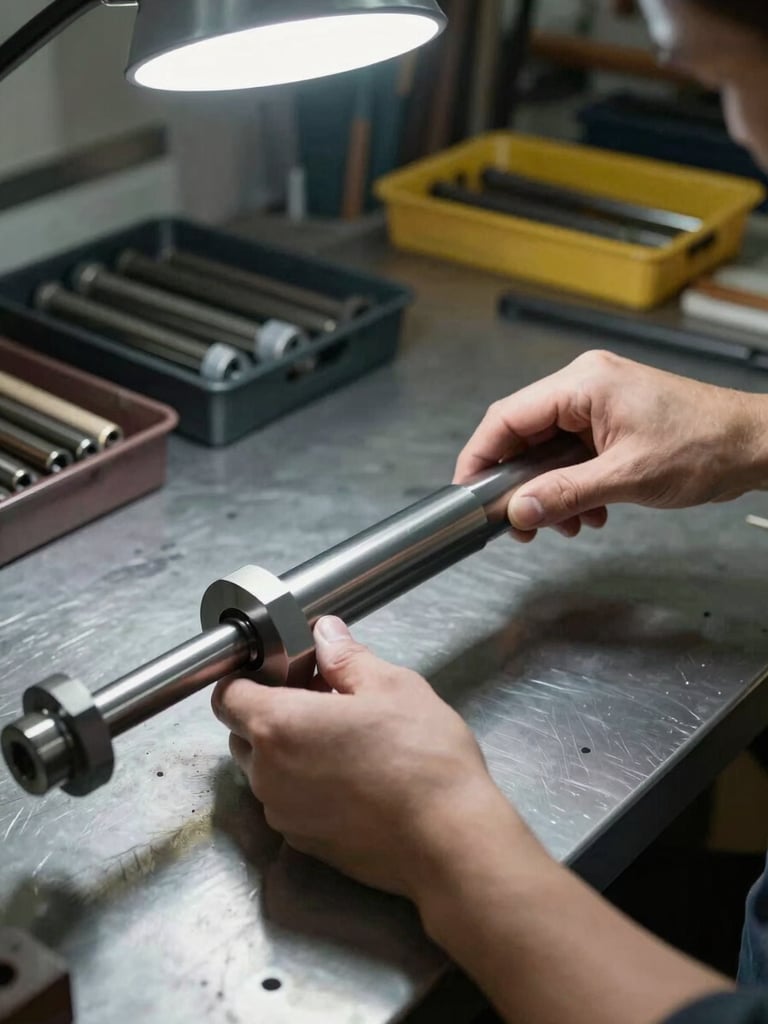
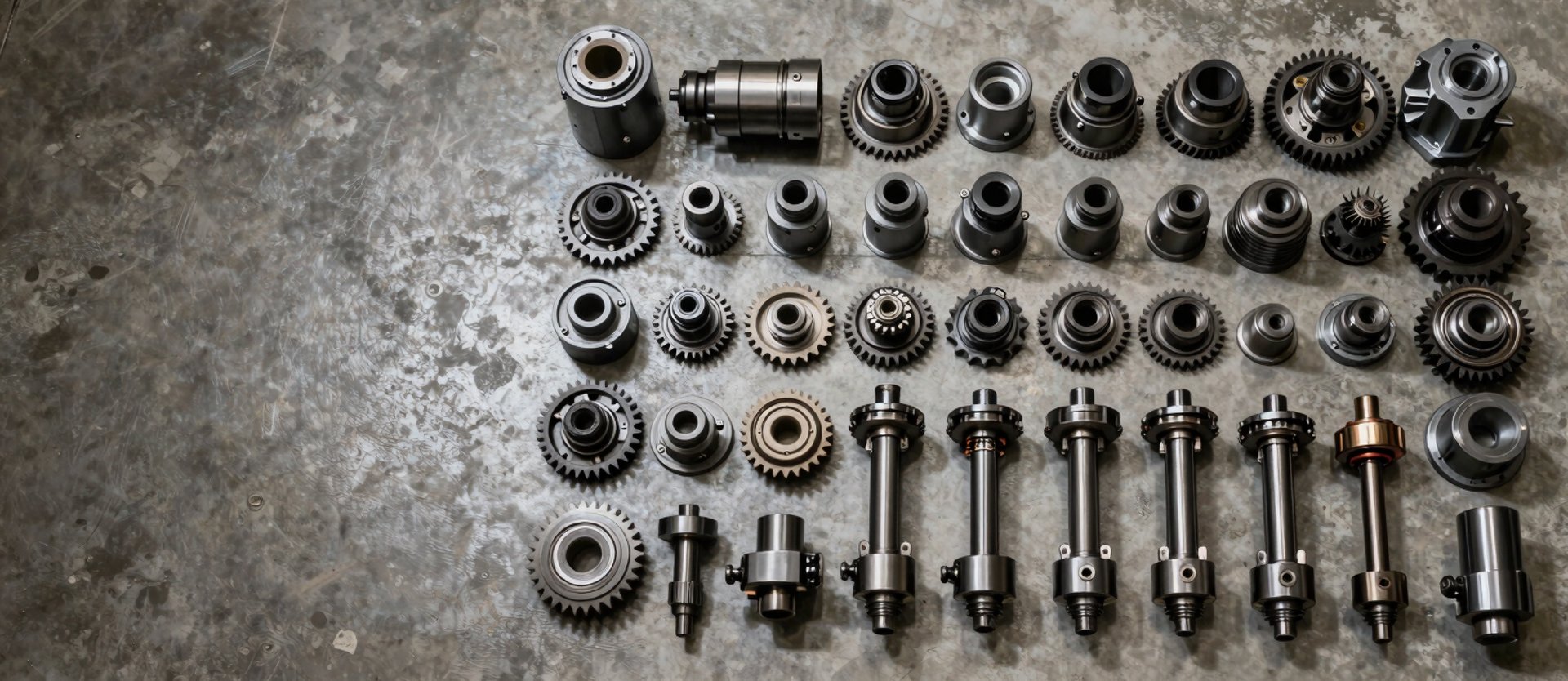
Mid-distance workshop shot of a Molins rod-making unit being reassembled on a steel bench, hands placing a precision-machined shaft into its housing, strobe lighting from above creating sharp mechanical shadows, organized parts trays visible in the background
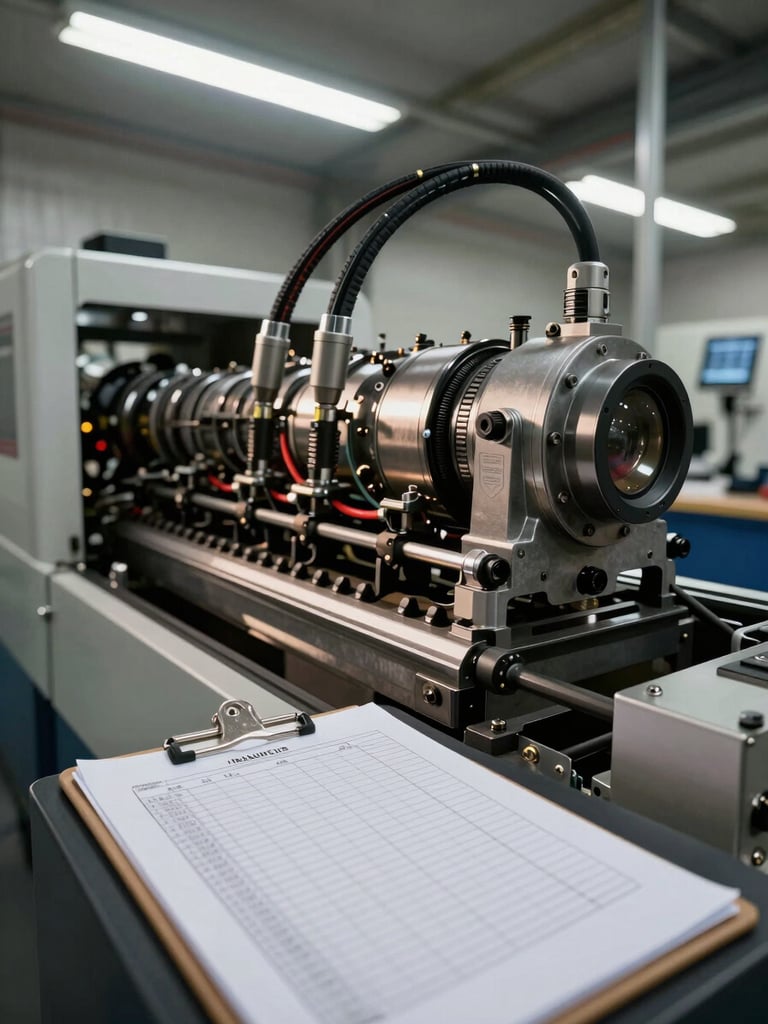
Wide environmental shot of a Hauni cigarette-maker running in a testing bay, instrument cables attached to the drivetrain housing, printed test log on a clipboard in the foreground, cool overhead fluorescent lighting casting hard industrial shadows across the machine body
— Four-Stage Rebuild

No shortcuts on diagnosis.

Stage 01 — Teardown

Full strip-down, component by component

Every machine is fully disassembled before any assessment begins. No visual-only inspections. Each sub-assembly is logged against the original build schematic for that model and serial number.

Stage 02 — Diagnosis

Wear tolerances measured against factory data

Cams, bearings, drive shafts, and sealing components are measured against OEM tolerance tables specific to Molins and Hauni drivetrains. Parts outside tolerance are replaced, not dressed.

Stage 03 — Rebuild

Reassembled to original build sequence

Rebuilt components are fitted in documented sequence. Torque values, clearances, and alignment checks are recorded at each stage — not summarised after the fact.

Stage 04 — Test Run

Tested against original factory specifications

The assembled unit runs under load in our testing bay. Speed, output consistency, and mechanical signatures are logged against the manufacturer's published acceptance criteria for that model.

+ Written Condition Report

Every unit exits with a full written record.

The condition report covers: serial number and model identification, component-level inspection findings, parts replaced with OEM sourcing detail, test-run data versus factory acceptance criteria, and maintenance history where available.

This is not a summary sheet. It is a traceable technical document — the same record that travels with the machine through customs, installation, and your own regulatory audit.

See the documentation before you commit.

Request a sample condition report for a machine in current inventory. Licensed manufacturers only — we respond within one business day.